
2 cm vs 3 cm Slab Thickness: Which Do You Need?
The 2 cm vs 3 cm slab question comes up at almost every slab yard visit, and the answer changes how a countertop is built, how the edge looks and how much the stone weighs. Granite Global stocks slabs in 2 cm and 3 cm depending on the material, and this guide explains where each thickness works best so you and your fabricator can choose with confidence.
- 2 cm and 3 cm slabs in stock
- Inventory updated every day
- Walk-ins welcome
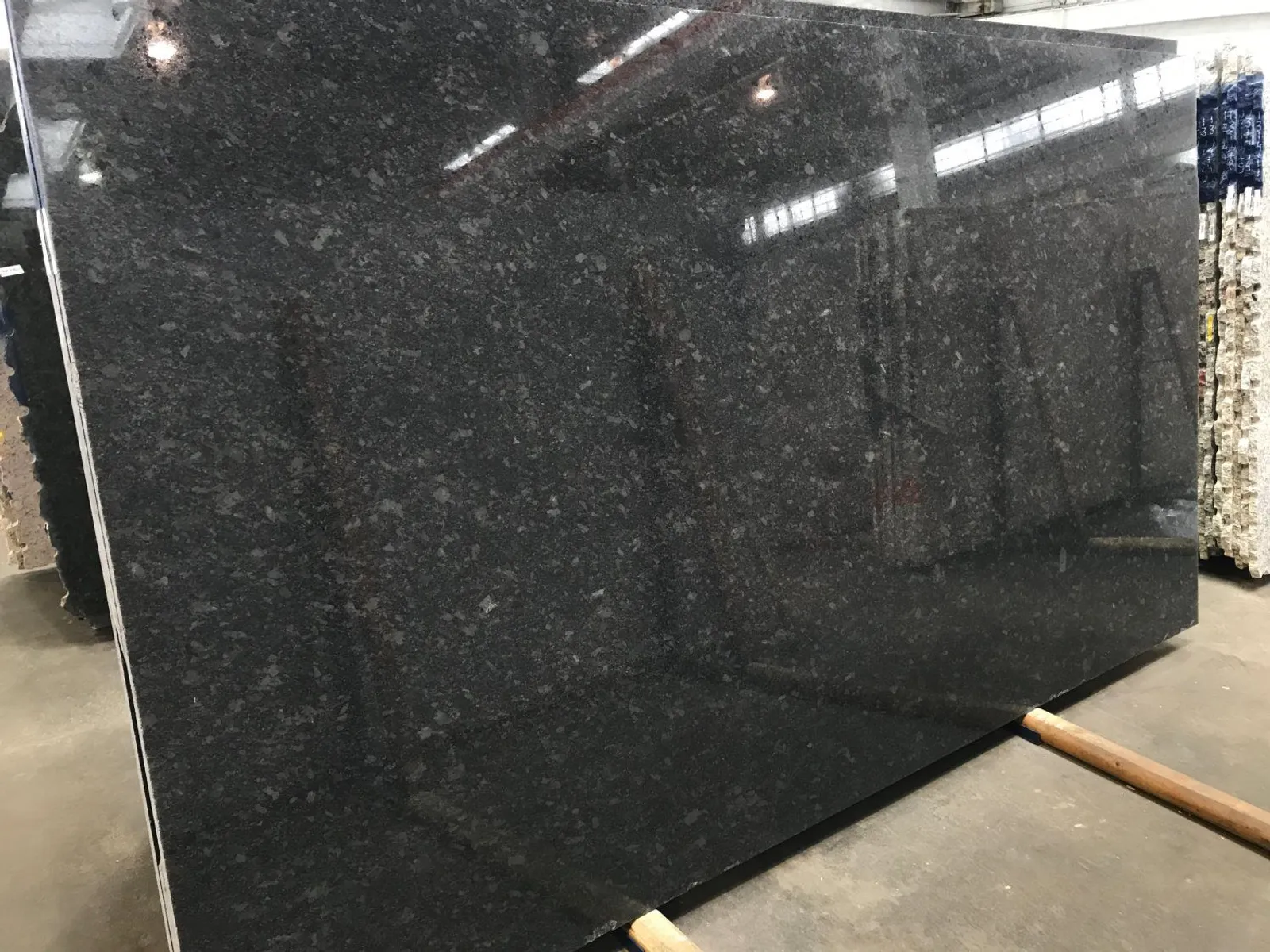
What Is the Difference Between 2 cm and 3 cm Slabs?
Granite Global explains it simply: a 2 cm slab is roughly 3/4 inch thick and a 3 cm slab is roughly 1 1/4 inch thick. The extra centimeter adds weight and stiffness, changes how the countertop is supported on the cabinets and gives the edge a heavier, more solid look from across the room.
Slab thickness is the depth of the stone from the top face to the back, measured in centimeters at the quarry and the factory. In the United States most countertop slabs are sold as 2 cm or 3 cm.
| Factor | 2 cm slab | 3 cm slab |
|---|---|---|
| Approximate thickness | About 3/4 inch | About 1 1/4 inch |
| Typical weight of granite | Roughly 12 to 14 lb per square foot | Roughly 18 to 20 lb per square foot |
| Usual support in kitchens | Often a plywood subtop under the stone | Usually sits directly on the cabinets |
| Edge look | Thin, or built up with a laminated edge | Full thickness, solid profile |
| Common uses | Vanities, backsplashes, walls, fireplaces | Kitchen perimeters, islands, bar tops |
| Handling | Lighter to move and install | Heavier, needs more people or equipment |
Weights are typical ranges for granite; quartzite, marble and quartz vary a little, and your fabricator will confirm the numbers for the exact slab you choose.
When a 3 cm Slab Is the Better Choice
Granite Global sees 3 cm slabs chosen for most kitchen countertops in the Charlotte area, and for good reason. The thicker stone usually goes straight onto the cabinets, it resists flexing around sink and cooktop cutouts, and it lets your fabricator plan island overhangs with more confidence than a thinner slab allows.
- Kitchen perimeter countertops that take daily cooking, chopping and heavy pots
- Islands with a seating overhang, where stiffness matters most
- Large sink and cooktop cutouts that remove material from the middle of the slab
- Bar tops and peninsulas that people lean on
- Projects where you want a thick, solid edge without a seam line on the front
Every overhang still needs proper support, and how far stone can extend without brackets or corbels depends on the material and the layout, so your fabricator makes that call.
When a 2 cm Slab Makes More Sense
Granite Global recommends looking at 2 cm slabs when weight, height or a slim profile matters more than maximum stiffness. Thinner stone works well on bathroom vanities, full-height backsplashes, shower walls, fireplace surrounds and furniture tops, and it is the usual choice when stone is installed on vertical surfaces where extra weight brings no benefit.
Vanities
Lighter stone on smaller cabinets, with a slim, modern edge line.
Backsplashes and walls
Less weight on vertical surfaces and a cleaner joint with the counter.
Fireplace surrounds
Easier to hang and fit around trim while keeping the full pattern.
On kitchen counters, a 2 cm slab is usually installed over a plywood subtop, and the front edge is often laminated to look like a thicker piece.
How Thickness Changes Edge Profiles
Granite Global often hears that the edge decides the thickness, not the other way around. A 3 cm slab shows a full, solid profile with simple eased, bevel or bullnose edges, while a 2 cm slab can be laminated, meaning a strip of the same stone is bonded under the front edge to create a thicker look.
- Eased edge
- A square edge with slightly softened corners; looks crisp on both 2 cm and 3 cm.
- Laminated edge
- Two layers of stone bonded at the front so a 2 cm slab reads as 4 cm or more.
- Mitered edge
- A 45-degree joint that wraps the pattern down the edge, used for thick, waterfall or apron looks.
- Full bullnose
- A rounded edge that works best with the full body of a 3 cm slab.
A laminated or mitered edge depends on the skill of the fabricator, so ask to see edge samples before you settle on 2 cm to save weight. When you are ready, visit our Charlotte slab yard to see the actual slab edge in person.
How to Decide Between 2 cm and 3 cm, Step by Step
Granite Global suggests deciding in a fixed order: where the stone goes, what the edge should look like, what the cabinets and subtop can handle and which thickness is actually in stock for the material you love. Following that order keeps the choice practical and avoids falling for a slab that only comes in one thickness.
List every surface
Write down counters, island, vanities, backsplash and walls, with rough sizes.
Pick the edge look
Decide whether you want a slim line, a full solid edge or a thick mitered look.
Check the base
Ask your fabricator whether the cabinets need a subtop or extra support for 2 cm.
Confirm stock
Ask Granite Global which thicknesses are in stock for the material you shortlisted.
See the slab
Visit the warehouse to look at the actual slab, its color and its pattern.
Finalize with your fabricator
Your fabricator confirms thickness, edge, seams and supports before cutting.
Our slab yard visit checklist lists what to bring and what to ask on the day you come in, and today's slab inventory shows which materials are in stock now.
Common Thickness Mistakes to Avoid
Granite Global sees the same thickness mistakes repeat: choosing 2 cm for a kitchen to save weight without planning a subtop, mixing thicknesses on one surface, or falling in love with a slab before checking which thickness is in stock. Each mistake is easy to avoid if thickness is discussed early with your fabricator.
- Assuming every material comes in both thicknesses; many come in only one
- Planning a long island overhang on 2 cm stone without support
- Mixing 2 cm and 3 cm on the same run, which creates height differences at seams
- Forgetting that 3 cm stone raises the counter height slightly compared with 2 cm
- Choosing thickness before the edge, then finding the edge you want needs the other size
- Leaving thickness off the order sent to the fabricator
Finish affects the look as much as thickness, so compare polished vs honed vs leathered surfaces before you finalize the order.
Thickness Checklist Before You Reserve a Slab
Granite Global recommends running through a short checklist before you ask the team about a slab. Confirming thickness, finish, size and support with your fabricator first means the stone you pick in the warehouse is the stone that can actually be cut and installed the way you pictured it.
- Thickness confirmed for each surface: kitchen, island, vanity, backsplash
- Edge profile chosen and checked against the thickness
- Subtop or support plan agreed with the fabricator
- Material name and thickness written down exactly as listed
- Finish confirmed: polished, honed or leathered
- Slab count estimated for the full project
Thickness also changes how much stone you order, so read how many slabs do you need for a kitchen? before you finalize the count. Fabricators can see how we work with shops on our page about supply for fabricators.
Questions About 2 cm and 3 cm Slabs
Is 3 cm stronger than 2 cm?
Yes, a 3 cm slab is stiffer and handles cutouts and overhangs better than a 2 cm slab of the same material. That said, a 2 cm slab installed on a solid plywood subtop performs well on kitchen counters. Granite Global suggests letting your fabricator decide which build fits your cabinets, layout and overhangs.
Which thickness is standard for kitchen countertops?
In most US kitchens, including the Charlotte area, 3 cm is the usual choice for countertops and islands because it sits directly on the cabinets. Some regions and some designers prefer 2 cm with a laminated edge. Granite Global stocks both thicknesses depending on the material, so ask what is available.
Does 3 cm cost more than 2 cm?
A 3 cm slab usually costs more than a 2 cm slab of the same stone because it contains more material and weighs more to ship and handle. The final project cost also depends on edges, subtops and labor. Granite Global does not publish prices online, so ask our team about the slab you like.
Can I use 2 cm for a kitchen island?
You can, but a 2 cm island usually needs a plywood subtop and careful support under any seating overhang. Many people choose 3 cm for islands because the stone is stiffer and the edge looks fuller. Granite Global recommends confirming the support plan with your fabricator before you reserve a 2 cm slab.
Does every stone come in both 2 cm and 3 cm?
No. Many materials are quarried and cut in only one thickness, and stock changes as slabs sell. Granite Global lists the material name on each page and updates inventory status every day, but the fastest way to confirm thickness is to ask our team or check the actual slab during your warehouse visit.
Is a 2 cm slab better for bathroom vanities?
Often, yes. Vanities are smaller, carry less weight and look clean with a slimmer profile, so 2 cm stone is a common choice there. Some homeowners still pick 3 cm to match the kitchen. Granite Global suggests choosing the thickness that matches the edge look you want across the house.
Find Out Which Thickness Your Stone Comes In
Send us the material name or walk into our Charlotte warehouse, and we will show you the actual slab and the thickness in stock, no appointment needed.