
Undermount Kitchen Sinks for Stone Countertops
Granite Global carries high-quality stainless steel sinks made to install under stone, so you can choose undermount kitchen sinks for stone countertops on the same visit you choose your slab. Planning both together gives your fabricator the exact sink before the first cut, which is how a clean cutout, a tight reveal and an easy-to-wipe counter edge begin.
- Stainless steel kitchen sinks
- Made for undermount on stone
- Walk-ins welcome
Kitchen and Vanity Sinks at Granite Global
Granite Global keeps these sink models at the Charlotte warehouse, so you can choose the sink on the same visit you choose your slab. Four are stainless steel kitchen sinks in 18 gauge, single and double bowl, and two are white vanity sinks for bathroom countertops. Call (704) 348-4485 to check which models are available that day.
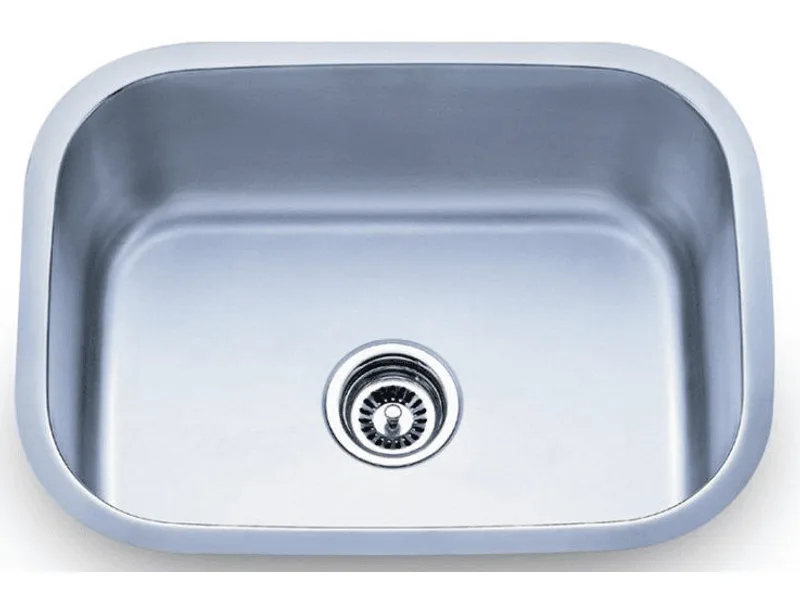
Single Bowl 23/17, 18 Gauge
Inside 21.5 x 16 x 9 in. Outside 23.5 x 17.75 x 9 in.
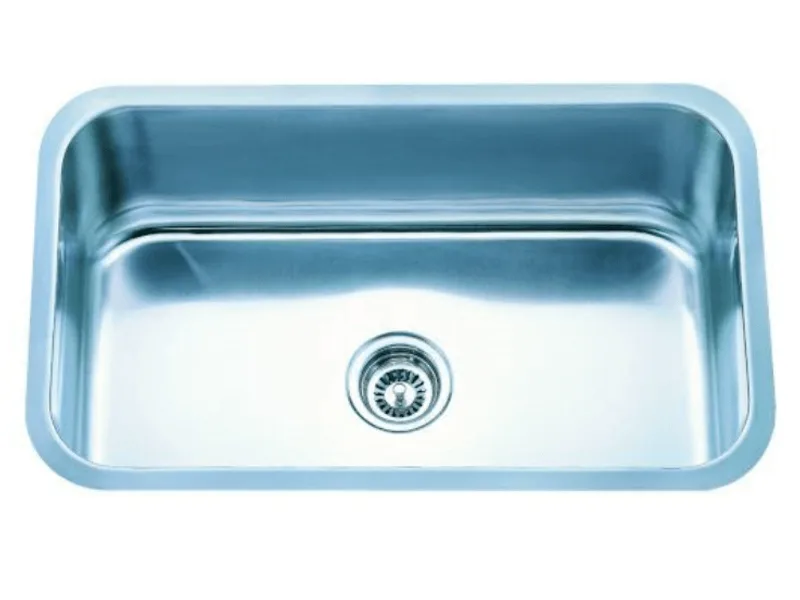
Single Bowl 30/18, 18 Gauge
Inside 28 x 16 x 9 in. Outside 30 x 18 x 9 in.
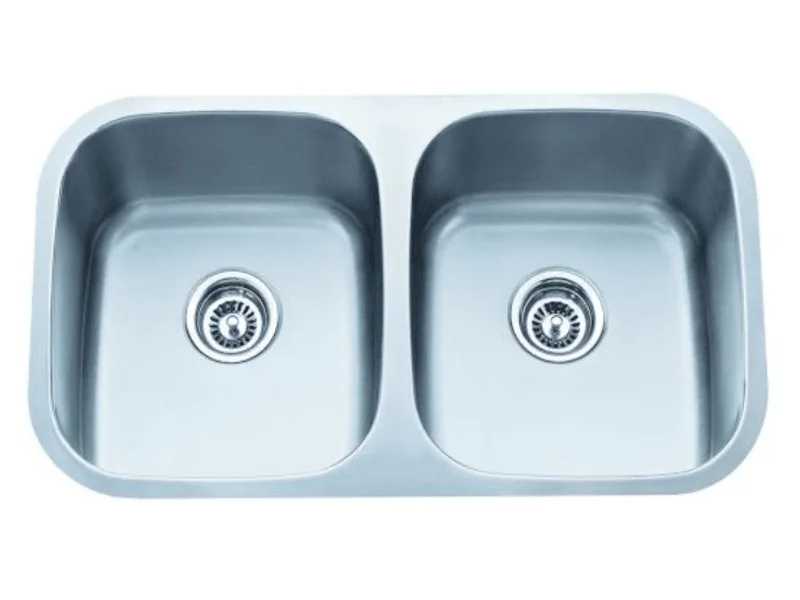
50/50 Double Bowl 32/18, 18 Gauge
Inside 14.5 x 16.5 x 9 in. each. Outside 32.25 x 18.5 x 9 in.
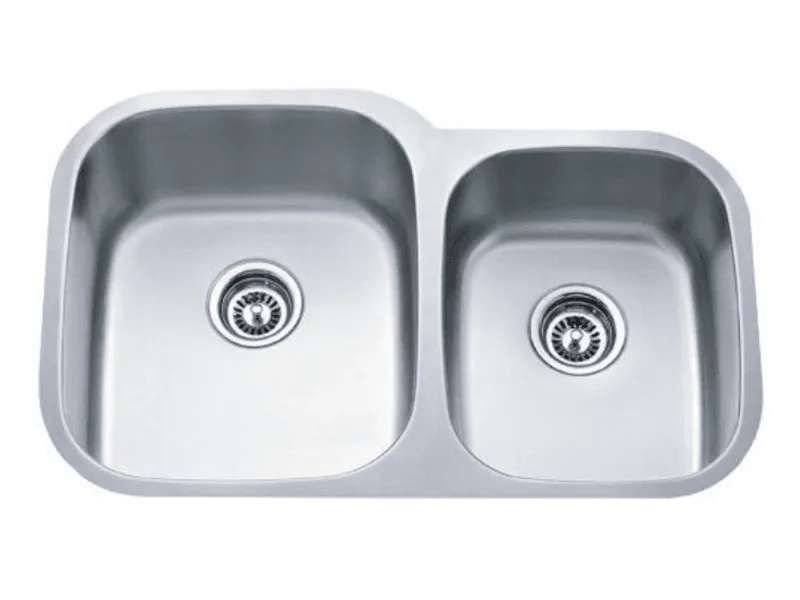
60/40 Double Bowl 20/32, 18 Gauge
Inside 18.75 x 15.75 x 9 and 16.75 x 13 x 9 in. Outside 20.75 x 32 x 9 in.
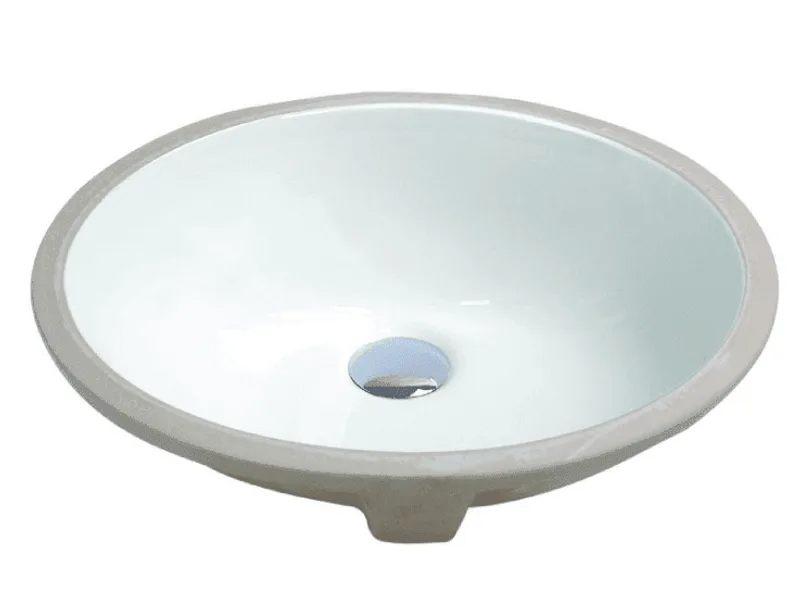
White Oval Vanity Sink 16/13
Inside 16.25 x 13.25 x 6.25 in. Outside 18.25 x 15 x 7.75 in.
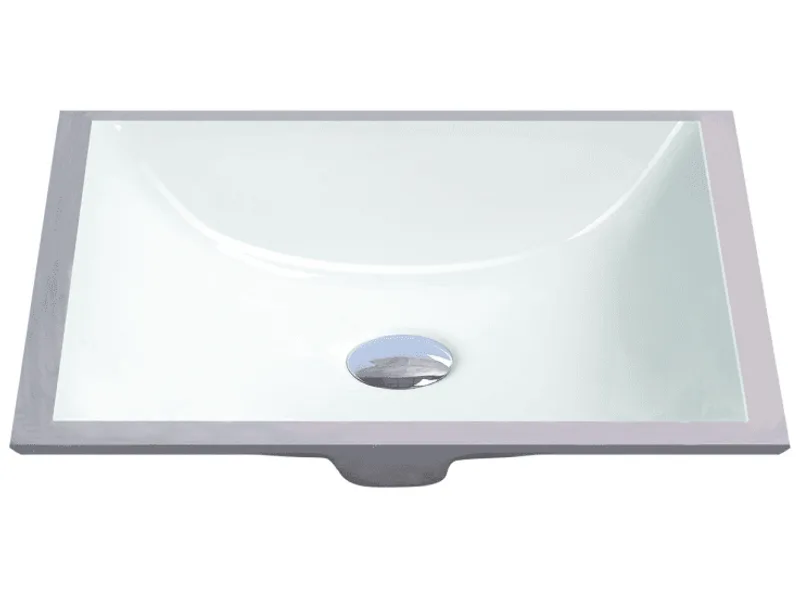
White Rectangular Vanity Sink 18/13
Inside 18 x 13 x 6 in. Outside 20 x 15 x 7.5 in.
Bring the sink model name to your fabricator together with the slab names, so the cutout is planned for the exact bowl before the first cut.
Why Undermount Sinks Suit Stone Countertops
An undermount sink hangs below the countertop, so the polished stone edge becomes the rim of the sink and there is no lip to trap crumbs or water. Granite Global recommends undermount stainless steel sinks for stone because solid slabs can be cut, polished and fastened around the opening cleanly and securely.
| Mount | How it sits | Strengths | Trade-offs |
|---|---|---|---|
| Undermount | Below the stone, fixed to its underside | Clean look, wipe crumbs straight in, shows the stone edge | Needs a solid surface and a polished cutout |
| Drop-in (top mount) | Rim rests on top of the counter | Simple to replace later | Rim collects crumbs and water, hides the stone edge |
| Farmhouse (apron front) | Front panel exposed below the counter | Strong visual statement | Needs a matching cabinet and careful layout |
| Integrated stone sink | Built by the fabricator from slab pieces | Seamless look in the same stone | More fabrication work; not every stone suits it |
Every natural stone and quartz we stock can take an undermount sink when the fabricator plans the cutout. Start with granite slabs we carry or quartzite slabs if you are choosing both at once.
Single, Double or Offset: Choosing a Bowl Layout
Granite Global suggests choosing the bowl layout by how you cook and clean, not by habit. A large single bowl fits big pans and baking sheets, a double bowl separates washing and rinsing, and an offset double gives you one large bowl plus a smaller prep bowl in the same sink.
Large single bowl
Fits roasting pans, stock pots and baking sheets flat; the favorite of frequent cooks.
Equal double bowl
Two similar bowls to wash on one side and rinse or drain on the other side.
Offset double bowl
A larger main bowl beside a smaller prep bowl, often split around 60/40 or 70/30.
Low-divide double
A shorter center wall lets long pans lie across both bowls while keeping two zones.
If you hand-wash large pots most days, a single bowl usually wins. If the sink is also the main prep area while the dishwasher handles plates, an offset double often fits best.
Gauge, Depth, Corners and Drains Explained
Granite Global walks sink buyers through four details that decide how a stainless steel sink feels in daily use: steel gauge, bowl depth, corner radius and drain position. A lower gauge number means thicker steel, deeper bowls hide more dishes, tighter corners look modern, and a rear drain frees cabinet space below.
- Gauge
- The thickness of the steel. Lower numbers are thicker: a 16 gauge sink is thicker than an 18 gauge sink and usually dents and flexes less.
- Sound dampening
- Pads or coatings under the bowl reduce the drumming sound of running water and dishes in thinner and thicker sinks alike.
- Bowl depth
- Deeper bowls hide dishes and reduce splashing; very deep bowls can strain the back of taller or shorter users.
- Corner radius
- Tight, nearly square corners look crisp and modern; rounder corners are easier to wipe clean.
- Drain position
- A drain set toward the back leaves more usable space under the sink and keeps dishes off the drain.
When you compare sinks, read the specification sheet for the minimum cabinet width, the exact outside dimensions and the recommended cutout. Those numbers matter as much to your fabricator as they do to you.
Why Your Fabricator Needs the Sink Before Cutting
Granite Global reminds every customer that a stone cutout is made for one specific sink. The fabricator traces or programs the opening from the actual sink or its exact template, then polishes the edge and plans the faucet holes. Without the sink in hand, the shop cannot safely cut the slab.
Choose the slab
See the actual slab in our warehouse and confirm the material name.
Choose the sink
Pick a sink that fits your sink base cabinet and the way you cook.
Decide the reveal and faucet
Tell your fabricator the reveal you want and the faucet and accessory holes you need.
Give the fabricator the sink
The sink, or its exact template and specifications, goes to the shop before templating or cutting.
- Positive reveal
- A thin line of the sink rim stays visible around the opening.
- Negative reveal
- The stone overhangs the bowl slightly, hiding the rim.
- Flush (zero) reveal
- The stone edge lines up with the inside of the bowl for a seamless look.
If you choose your sink at Granite Global, ask our team whether it can travel with your slab to your fabricator. Working with a fabricator already? Our page for fabricators explains how we work with shops.
Common Sink Mistakes With Stone Countertops
Granite Global sees the same few sink problems again and again, and almost all of them start with choosing the sink too late. The fix is simple: pick the sink, the faucet and the slab together, check the cabinet size, and give your fabricator every measurement before the slab is templated.
| Mistake | What happens | How to avoid it |
|---|---|---|
| Choosing the sink after templating | Delays or a cutout that does not match | Choose the sink when you choose the slab |
| Ignoring the cabinet size | The sink does not fit the sink base | Check the minimum cabinet width on the spec sheet |
| Forgetting accessory holes | No room for soap dispenser or air gap later | List every hole before cutting |
| Choosing a drop-in sink by default | Rim hides the stone and traps crumbs | Consider an undermount for stone |
| Not planning the reveal | An edge that looks different than expected | Agree on positive, negative or flush reveal |
Bring your cabinet plan or measurements to the warehouse, then pick your slab and sink together so your fabricator receives everything in one step. When you are ready, visit our Charlotte warehouse.
Questions About Sinks for Stone Countertops
What sinks does Granite Global carry?
Granite Global carries high-quality stainless steel kitchen sinks made for installation under stone countertops. The selection can change, so the best way to see current options is to visit the warehouse and compare them while you choose your slab. Ask our team about sizes and bowl layouts that fit your cabinet.
Why choose an undermount sink for granite or quartz?
An undermount sink sits below the countertop, so the polished stone edge frames the bowl and there is no rim to collect crumbs or water. You can wipe the counter straight into the sink. Solid surfaces like granite, quartzite and quartz support the sink and allow a clean, polished cutout.
What gauge stainless steel sink should I choose?
Gauge measures steel thickness, and a lower number means thicker steel. Many kitchen sinks fall between 16 and 18 gauge. Thicker steel usually dents less and feels more solid, and sound-dampening pads reduce noise. Compare the gauge on each specification sheet, along with depth and corner style, before you decide.
Single bowl or double bowl: which is better?
It depends on how you use the sink. A large single bowl handles big pots and baking sheets, while a double bowl separates washing from rinsing. An offset or low-divide double gives you a mix of both. Granite Global suggests thinking about your largest pan and whether you hand-wash dishes daily.
Does my fabricator need the sink before cutting the countertop?
Yes. The cutout in a stone countertop is made for one specific sink, so the fabricator needs the actual sink or its exact template and specifications before cutting. Many shops also need the faucet details to drill holes. Choosing the sink with your slab avoids delays and mismatched openings.
What is a zero-radius sink?
A zero-radius or tight-radius sink has nearly square inside corners, which gives a crisp, modern look that pairs well with clean stone edges. Rounder corners are easier to wipe and let water drain more freely. Both work under stone; the choice is mostly about style and how you like to clean.
What is the reveal around an undermount sink?
The reveal is how the stone edge meets the sink rim. A positive reveal shows a thin line of the rim, a negative reveal lets the stone overhang slightly, and a flush or zero reveal lines the stone up with the bowl. Tell your fabricator which one you want before templating.
Will a stainless sink fit my existing cabinet?
Check the sink's specification sheet for its minimum cabinet width and outside dimensions, then measure the inside of your sink base cabinet. The sink also needs room for clips, plumbing and the disposal. Bring the measurements when you visit Granite Global, and confirm the final fit with your fabricator.
Can I use an undermount sink with soapstone or marble?
Yes. Undermount sinks work with every natural stone Granite Global stocks, including marble, dolomite and soapstone, as long as the fabricator supports the sink properly and polishes the cutout edge. With marble, wipe acidic spills near the sink edge quickly, since that area sees the most water and food.
Can the sink go to my fabricator with the slab?
Granite Global delivers slabs to fabricators with its dedicated delivery fleet, and choosing the sink on the same visit keeps the project in one place. Ask our team whether your sink can travel with your slab, and confirm with your fabricator when they need both at the shop.
Choose Your Sink and Slab on One Visit
Bring your cabinet measurements to our Charlotte warehouse and pick the sink and the stone together, no appointment needed.