
Quartz vs Quartzite: Engineered or Natural Stone?
The names sound alike, but quartz vs quartzite is really a choice between an engineered product and a natural stone. Granite Global, a family-owned slab distributor in Charlotte, NC, stocks both, and this guide explains how each one is made, how they handle heat, stains and sunlight, and how to choose the right one for your kitchen or bath.
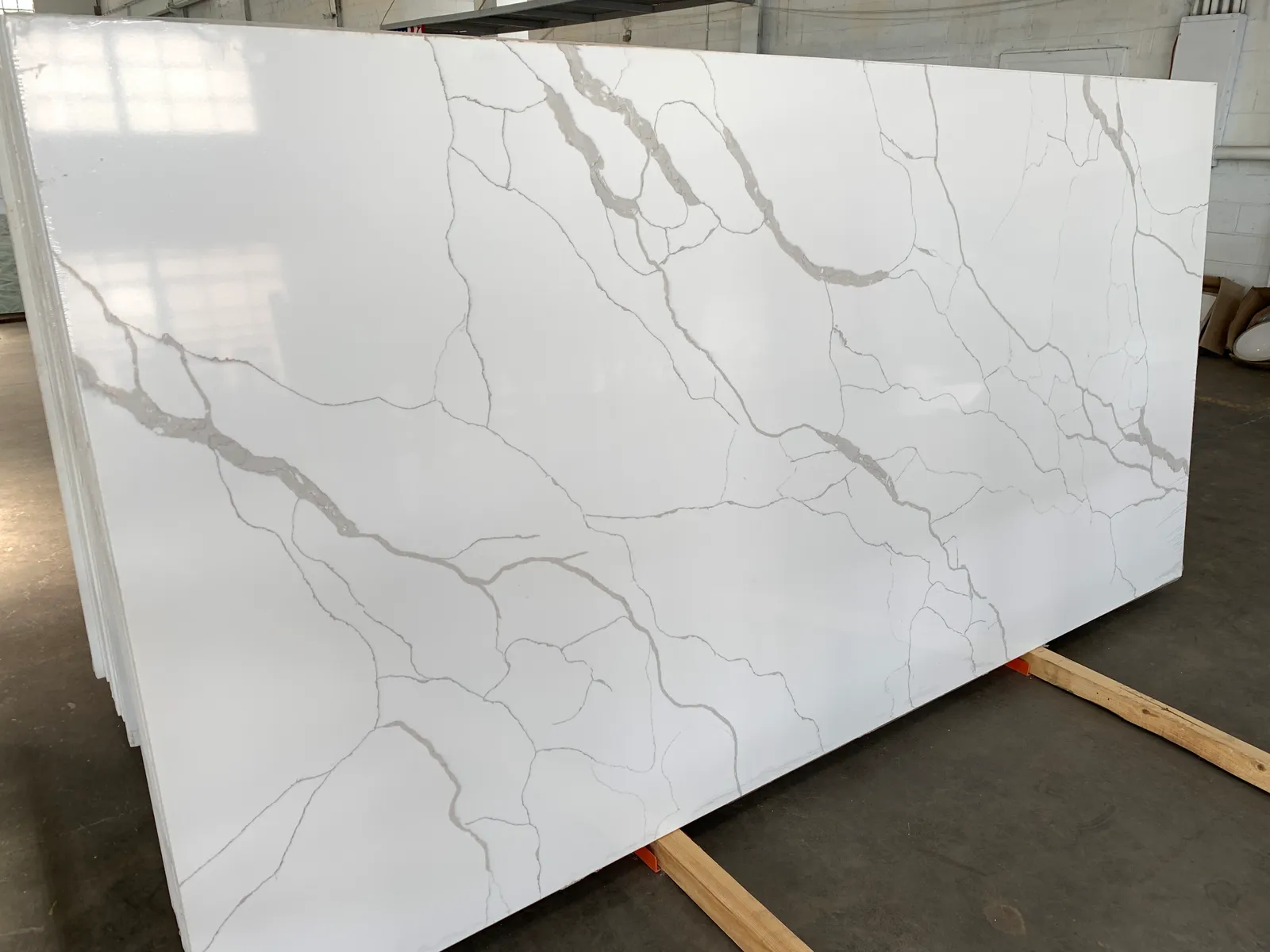
Quartz vs Quartzite: The Short Answer
Quartz is a manufactured surface made mostly of ground quartz mixed with resin; quartzite is a natural stone formed from sandstone over millions of years. Granite Global sums it up this way: quartz wins on low maintenance and consistency, quartzite wins on natural character, heat tolerance and outdoor use. Both are hard and durable.
| Factor | Quartz (engineered) | Quartzite (natural) |
|---|---|---|
| What it is | Crushed quartz, resin and pigments pressed into slabs | Sandstone recrystallized by heat and pressure |
| Look | Uniform; patterns are designed and repeat | Every slab is unique, with natural veins and depth |
| Sealing | Not needed; the surface is non-porous | Needed from time to time; porosity varies |
| Direct high heat | Resin can scorch or discolor | Tolerates heat well |
| Sunlight and outdoors | UV light can yellow some resins | Generally suitable outdoors |
| Scratches | Very resistant | Very resistant; usually harder |
| Acids like lemon and vinegar | No etching | True quartzite does not etch |
| Color matching between slabs | Easy; slabs look alike | Needs planning; slabs vary |
Quartzite is also often compared with granite, the other hard natural stone; our guide to quartzite vs granite covers that decision.
How Quartz and Quartzite Are Made
Granite Global explains the difference by following each slab back to its origin. Quartzite is quarried in large blocks, sawn into slabs and finished, so what you see is how nature made it. Quartz is built in a factory: crushed quartz is blended with polymer resin and pigments, then pressed, cured and polished into slabs.
Quartzite: quarried
Blocks of natural quartzite are cut from the quarry face, often in Brazil, where many of the most sought-after quartzites come from.
Quartzite: sawn and finished
Blocks are sawn into slabs, reinforced where needed, and polished, honed or leathered. No two slabs are identical.
Quartz: blended
Ground natural quartz is mixed with a resin binder and pigments. Manufacturers typically state a quartz content of around 90 percent by weight.
Quartz: pressed and cured
The mix is compacted under vacuum and vibration, cured with heat and polished, producing dense slabs with a consistent look.
That process is why quartz is so predictable and why quartzite is so individual. A quartz color looks almost the same from slab to slab and from one order to the next. A quartzite can shift in tone and veining even within one bundle.
Heat, Stains and Sunlight: How Each One Performs
In daily use, Granite Global finds the biggest practical difference is heat and sun. Quartz shrugs off stains without any sealer, but its resin does not like hot pans or long exposure to direct sunlight. Quartzite handles both well, yet needs a sealer and a quick wipe of oil and wine spills to stay spotless.
| Situation | Quartz | Quartzite | Good habit |
|---|---|---|---|
| Hot pan from the oven | Can leave a mark on the resin | Usually fine | Use trivets on both |
| Red wine, coffee, oil | Wipes off; no absorption | Can absorb if the sealer is worn | Wipe spills promptly |
| Sunny window or outdoor kitchen | Can fade or yellow over time | Generally stable | Check the manufacturer's guidance for quartz |
| Cutting directly on the surface | Resists scratching | Resists scratching | Use a board to protect knives |
| Strong cleaners | Can dull the finish | Can wear the sealer | Use warm water and mild dish soap |
Heat is the question we hear most about engineered stone; read our guide on heat and quartz before you set a pan down.
Look and Design: Consistency or Character
Granite Global sees two kinds of buyers. Some want a countertop that matches the showroom sample exactly and stays consistent across a large kitchen; quartz is ideal for them. Others want depth, movement and a stone nobody else has; quartzite gives them that, especially in the white, gray and taupe tones popular today.
Quartz for a planned look
Solid whites, soft concrete grays and marble-inspired designs such as Calacatta styles, with veins that repeat predictably across slabs and seams.
Quartzite for natural depth
Translucent crystals, layered veins and color shifts that change with the light, as in Taj Mahal, Perla Venata or Lamberti Bianco.
Marble-look quartz has become very convincing, but up close natural quartzite still shows a depth that printed or poured veining cannot fully copy. The only reliable way to judge is to stand in front of both under the same light.
Browse our quartz colors in stock for consistent designs, or our quartzite slabs in Charlotte when you want a one-of-a-kind stone.
How to Choose Between Quartz and Quartzite
Granite Global recommends deciding with five questions: will the countertop see hot pans or sunlight, how much upkeep will you accept, do you need several slabs to match perfectly, how much natural variation do you enjoy, and where will the stone go. Your answers usually point clearly to one material.
| If this matters most | Lean toward | Why |
|---|---|---|
| Never sealing anything | Quartz | The surface is non-porous |
| Setting hot cookware down without thinking | Quartzite | Natural stone tolerates heat better than resin |
| An outdoor kitchen or a very sunny room | Quartzite | Resin in quartz can change color under UV light |
| Several slabs that must match exactly | Quartz | Slabs are consistent by design |
| A one-of-a-kind natural pattern | Quartzite | Every slab is unique |
| A busy rental or a family that dislikes upkeep | Quartz | Simple daily cleaning, no sealer schedule |
Still torn between marble-look options? Our comparison of marble vs dolomite shows how the softer natural white stones behave.
Common Mistakes When Comparing Quartz and Quartzite
The most common mistake Granite Global hears about is assuming quartz and quartzite are the same thing because the names are close. Others include trusting a quartzite label without testing, treating quartz like a heat-proof surface, and choosing from small samples instead of full slabs seen under good light in person.
- Mixing up the names when talking to a fabricator or designer. Always say engineered quartz or natural quartzite.
- Assuming every white quartzite is true quartzite. Some are dolomite or marble and will etch with acids.
- Setting hot pans directly on quartz because it feels like stone.
- Choosing quartz for an outdoor kitchen without checking how its resin handles sunlight.
- Choosing quartzite from a small sample. The full slab can look very different.
- Skipping the sealer on quartzite, then finding an oil ring near the cooktop.
A short glass scratch test and a vinegar test on a sample settle most quartzite questions before the slab goes to your fabricator.
Checklist Before You Choose Your Slab
Granite Global suggests running through a short checklist before you commit to either material. It takes a few minutes in the warehouse and protects you from the surprises that cause regret later, such as a mismatched seam, an unexpected sealing routine or a countertop that cannot handle how you actually cook.
- Write down the exact material name, type and finish as the inventory lists it
- For quartzite, see the full slab and the slabs behind it in the bundle
- For quartz, confirm the color name and thickness your fabricator needs
- Hold your cabinet door, floor sample and backsplash tile next to the slab
- Ask about the care routine: sealing for quartzite, heat for quartz
- Photograph the slab with its label so your fabricator can find it
When your list is ready, visit our Charlotte slab yard and compare both materials side by side; walk-ins are welcome during business hours.
Other Stones Worth a Look
Quartz and quartzite are not the only durable choices, and Granite Global often shows customers alternatives. Granite offers natural stone performance in a wider color range. Soapstone offers a soft, matte, chemically inert surface that darkens into a patina. Dolomite and marble give the classic white look for people who accept some etching.
Each alternative trades one advantage for another. Granite needs occasional sealing like quartzite. Soapstone scratches easily, but marks blend away with mineral oil. Marble and dolomite are softer and react to acids, which some homeowners see as character rather than damage.
If a matte, darker stone appeals to you, read our guide to soapstone countertops pros and cons for real kitchens.
Questions About Quartz vs Quartzite
Is quartz the same as quartzite?
No. Quartz countertops are an engineered product made from crushed natural quartz, resin and pigments, pressed into slabs in a factory. Quartzite is a natural metamorphic stone quarried and cut into slabs. They share the mineral quartz, which explains the similar names, but they look, age and perform differently, especially with heat, sunlight and sealing.
Which is more durable, quartz or quartzite?
Both are very durable for countertops. True quartzite is usually slightly harder and handles heat and sunlight better, because it contains no resin. Quartz resists stains better because it is non-porous and never needs sealing. Granite Global suggests choosing by how you cook and how much care you are comfortable with, rather than by a single durability score.
Does quartz need to be sealed?
No. Engineered quartz is non-porous, so it does not absorb liquids and does not need a sealer. Clean it with warm water and mild dish soap, and avoid harsh chemicals, abrasive pads and very hot pans, which can damage the resin. Quartzite, by contrast, benefits from a penetrating sealer whenever a water drop test shows it absorbing.
Can quartz be used in an outdoor kitchen?
Most quartz manufacturers advise against outdoor use, because ultraviolet light can fade or yellow the resin over time. Natural stones such as quartzite and granite are generally a better fit outdoors. If you are set on quartz for a covered patio, read the manufacturer's guidance for that specific product before you decide, and ask your fabricator for advice.
Does quartz or quartzite cost more?
It depends on the specific material, so Granite Global does not publish prices online. Quartzite is very hard to saw and finish, and rare natural patterns are limited by what the quarry produces, while quartz pricing depends on the brand and design. Some quartz colors cost more than some quartzites. Ask our team about the exact slabs you are considering.
Can I see quartz and quartzite slabs in Charlotte?
Yes. Granite Global keeps quartz and quartzite slabs in its Charlotte, NC warehouse, and walk-ins are welcome during business hours with no appointment needed. Check the online inventory first, which is updated every day from our warehouse system, then send the material names and the day you plan to visit through the Visit Us page.
See Quartz and Quartzite Under the Same Light
Shortlist a few colors online, then compare engineered quartz and natural quartzite side by side in our Charlotte warehouse, no appointment needed.