
How to Seal Granite Countertops and How Often
Knowing how to seal granite countertops keeps oil, wine and coffee from soaking into the stone, and the job is simpler than most homeowners expect. Granite Global has helped many Charlotte families choose granite, and this guide covers the water test that tells you when to seal, the type of sealer to use, the steps to apply it in an afternoon and how often most kitchens need it.
- Simple water test
- One afternoon to reseal
- Fewer stains on light granite
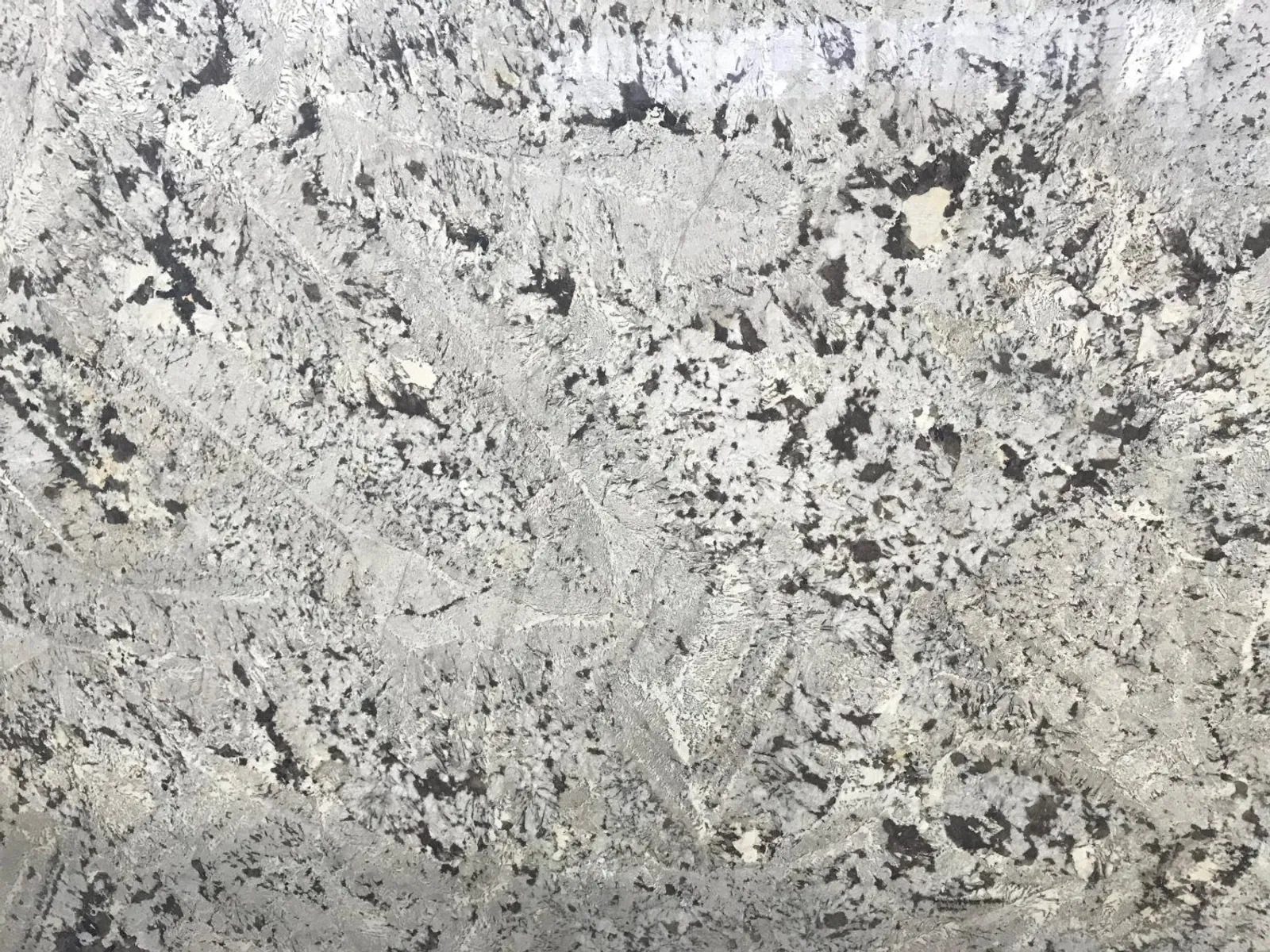
Why Granite Countertops Need Sealing
Granite Global explains that granite is a natural stone with tiny pores between its crystals, so liquids like oil, wine and coffee can soak in and leave dark marks. A penetrating sealer fills those pores below the surface, which slows absorption and gives you time to wipe a spill before it becomes a stain.
A penetrating sealer is a liquid, also called an impregnating sealer, that soaks into natural stone and lines its pores with a water- and oil-repellent layer without forming a film on top.
| Granite type | Typical absorption | Typical sealing need |
|---|---|---|
| Light and white granites | Moderate to higher | Seal at installation and test often |
| Medium and multicolor granites | Low to moderate | Reseal when the water test shows darkening |
| Dense dark granites | Very low | Often need little or no sealer; test first |
| Leathered or honed finishes | Can be slightly higher than polished | Test more often, especially near the sink |
The color of the slab is a clue, not a rule; two granites that look alike can absorb water very differently, which is why the water test matters. Browse our granite slabs in stock or visit our Charlotte slab yard to see light and dark granites side by side.
The Water Test: How to Know When to Seal
Granite Global recommends a simple water test before every sealing job. Pour a small puddle of water on a few areas of the countertop, wait about 10 to 15 minutes, then wipe it off. If the stone darkened under the water, the granite is absorbing and needs sealer; if it looks unchanged, it is still protected.
Pick test spots
Choose areas near the sink, the cooktop and the prep zone, where spills happen most.
Pour a little water
Pour about a tablespoon or two of water in each spot and leave it alone.
Wait and watch
Check after a few minutes and again at about 10 to 15 minutes.
Read the result
Dark, wet-looking stone means reseal; no change means the sealer is still working.
If water darkens the stone almost immediately, the countertop is absorbing quickly and should be sealed soon, especially on light granite.
How to Seal Granite Countertops, Step by Step
Granite Global suggests sealing granite in six steps: clean the surface, let it dry completely, apply a thin, even coat of penetrating sealer, let it soak in for the time on the label, wipe off every bit of excess, then let it cure. The whole job usually takes an afternoon plus a day of light use.
Clean thoroughly
Wash with warm water and a pH-neutral stone cleaner or a drop of dish soap, then rinse.
Let it dry
Allow several hours, ideally overnight, so no water sits in the pores.
Apply a thin coat
Spray or wipe the sealer evenly over one section at a time, following the label.
Let it soak in
Leave it for the dwell time on the label, keeping the surface wet without puddles.
Wipe off the excess
Buff away all extra sealer with a clean, dry cloth before it dries on top and leaves haze.
Let it cure
Avoid water and spills for the cure time on the label, often about a day.
Open a window or run the range fan while you work, and test a hidden corner first if you have never used that sealer on your stone.
Choosing the Right Granite Sealer
Granite Global recommends a penetrating sealer made for natural stone, not a topical coating or a general household product. Water-based and solvent-based penetrating sealers both work on granite; the label tells you the dwell time, coverage and cure time. Color-enhancing sealers also exist, but they darken the stone and change its look permanently.
| Sealer type | What it does | When it fits |
|---|---|---|
| Penetrating, water-based | Soaks in, low odor, invisible once cured | Most indoor kitchens and vanities |
| Penetrating, solvent-based | Soaks in deeply, stronger odor | Dense stone or when the label recommends it |
| Color-enhancing penetrating | Seals and deepens color | Only if you want a darker, richer look |
| Topical coatings and waxes | Form a film on the surface | Not recommended for kitchen countertops |
Look for a label that names granite or natural stone and says food-safe once cured; skip anything that promises a shiny coating.
How Often to Reseal Granite Countertops
Granite Global tells customers there is no single calendar for every granite. Many kitchen countertops need resealing every one to three years, light and porous granites may need it more often, and some dense dark granites rarely absorb anything. The water test every few months is the honest guide to how often your own countertop needs it.
- Every few months
- Do the water test near the sink and cooktop.
- Once a year
- Test the whole countertop, including the island and less-used corners.
- When water darkens the stone
- Reseal, focusing on the areas that absorbed fastest.
- After deep stain removal
- Reseal the treated area once it is fully dry.
Fabricators usually seal granite at installation, so ask yours which sealer was used; reusing the same product keeps results consistent.
Common Granite Sealing Mistakes
Granite Global sees most sealing problems come from too much product rather than too little. Leaving extra sealer to dry on top causes a sticky haze, sealing a wet countertop traps moisture, and sealing dense granite that does not absorb wastes product. Other mistakes include harsh cleaners that wear sealer down and skipping the water test.
- Leaving excess sealer on the surface until it dries into a haze
- Sealing right after cleaning, before the stone is completely dry
- Sealing dense dark granite that does not absorb, which leaves residue
- Cleaning with vinegar, bleach or ammonia, which wear down the sealer
- Using a topical wax or coating instead of a penetrating sealer
- Assuming sealed granite is stain-proof and leaving spills overnight
If a haze does appear, a little more sealer rubbed on and buffed off right away usually lifts it; for stubborn residue, follow the sealer maker's instructions.
Daily Care That Keeps Granite Sealed Longer
Granite Global reminds homeowners that daily habits decide how long a sealer lasts. Wiping with warm water and a mild, pH-neutral cleaner, using trivets and cutting boards and cleaning spills quickly keeps the sealer intact. Acidic and harsh cleaners wear it down faster, so you end up resealing more often than you need to.
- Wipe daily with warm water and a drop of mild dish soap
- Use a pH-neutral stone cleaner for a deeper clean
- Blot oil, wine and coffee spills right away
- Use coasters under glasses and bottles
- Avoid vinegar, bleach, ammonia and abrasive powders
- Repeat the water test every few months
Other stones need different care, so read how to clean quartzite countertops without damage and our guide to marble countertop etching. If a stain already set, follow our steps to remove stains from natural stone countertops.
Questions About Sealing Granite
Do all granite countertops need sealing?
Most do, but not all. Light and porous granites benefit from sealing, while some very dense dark granites absorb so little that sealer cannot soak in and just leaves residue. Granite Global recommends doing the water test first; if a few drops of water do not darken the stone after 15 minutes, sealing is not needed yet.
How long does granite sealer take to dry?
Most penetrating sealers need a dwell time of several minutes, then the excess is wiped off, and the stone should stay dry for the cure time on the label, often about 24 hours. Granite Global suggests sealing in the evening so the countertop can cure overnight before regular cooking resumes.
Can I seal granite myself?
Yes. Sealing granite is a do-it-yourself job for most homeowners: clean, let dry, apply a thin coat, let it soak in, wipe the excess and let it cure. Granite Global suggests testing a hidden corner first and following the label exactly, since dwell and cure times vary from one sealer to another.
Is sealed granite safe for food?
Penetrating sealers made for kitchen countertops are generally labeled food-safe once fully cured. Check the label for that wording and respect the cure time before preparing food on the surface. Granite Global also recommends cutting on a board rather than directly on stone, which protects both the countertop and your knives.
Does sealing make granite stain-proof?
No. Sealing slows down how fast liquids soak in, which gives you time to wipe spills, but oil or wine left for hours can still mark the stone. Granite Global tells customers to think of sealer as extra time, not a shield, and to blot spills quickly, especially on light granite.
What happens if I never seal my granite?
On dense granite, possibly very little. On lighter or more porous granite, oil and colored liquids are more likely to soak in and leave darker spots, especially around the sink and cooktop. Granite Global suggests doing a water test every few months so you only seal when the stone actually needs it.
Choose a Granite You Will Enjoy Caring For
Browse granite slabs in stock online, then walk into our Charlotte warehouse to see the actual slab before you choose, no appointment needed.