
Oiling Soapstone Countertops: How, When and Why
Oiling soapstone countertops is not about protecting the stone; it is about evening out the deep charcoal color that soapstone develops on its own. Granite Global, a family-owned slab distributor in Charlotte, NC, explains why soapstone darkens, how to apply mineral oil, how often to repeat it, when wax is an option and how to fix the light scratches that come with daily use.
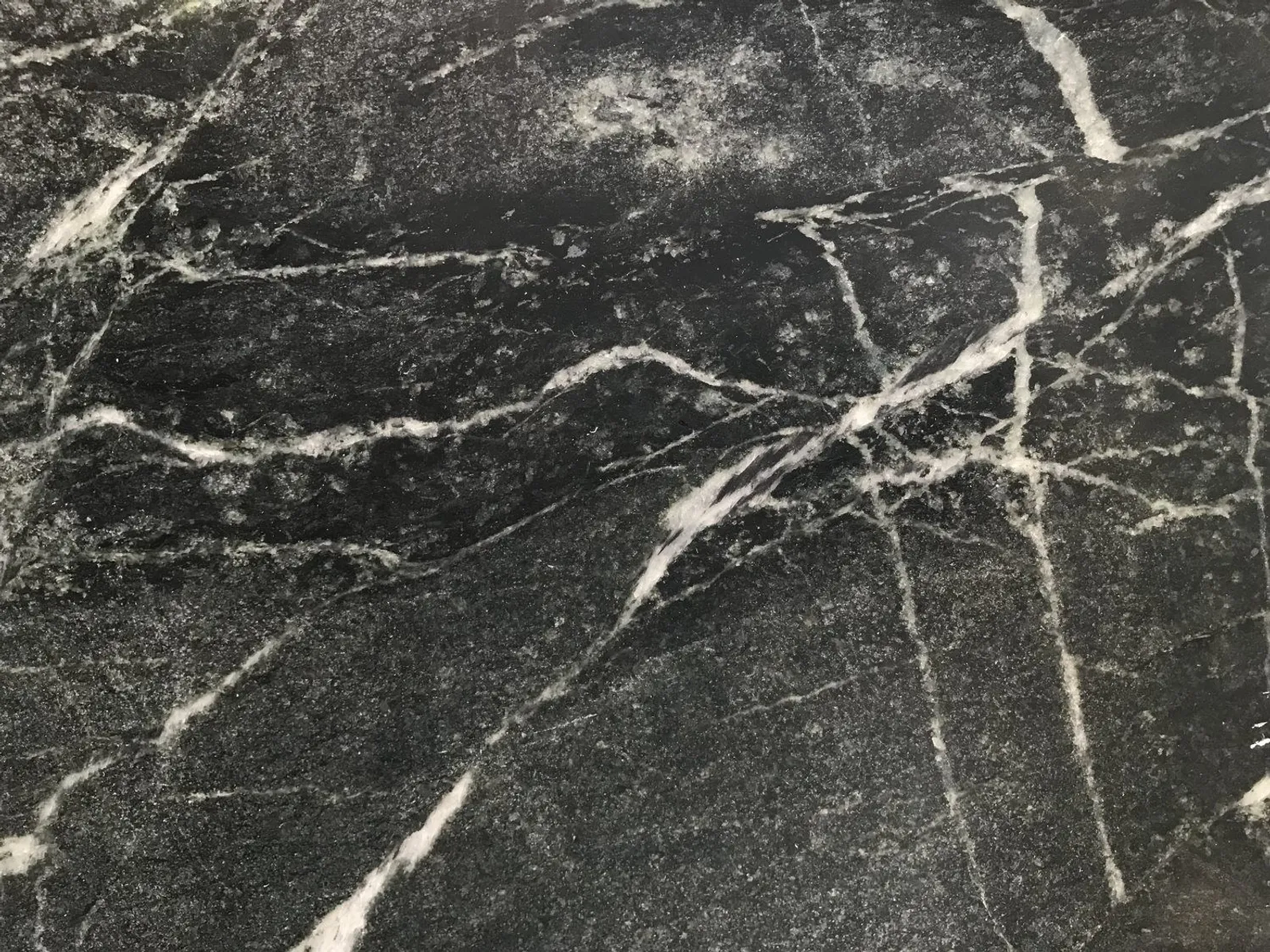
Oiling Soapstone Countertops: The Short Answer
You oil soapstone to control how it looks, not to keep it safe. Granite Global explains that soapstone is dense and does not need a sealer like granite or marble. Mineral oil simply darkens the surface evenly and speeds up the natural patina, so skipping it is fine if you like a lighter, gradually changing gray.
| Question | Short answer |
|---|---|
| Why oil it? | To get an even, deep charcoal color sooner |
| Is oil a sealer? | No. It sits on the surface and slowly evaporates |
| What product? | Plain mineral oil; some suppliers also offer a soapstone wax |
| How often at first? | About weekly for the first two or three months |
| How often later? | About monthly or less, when water leaves a dark spot |
| Is it required? | No. Unoiled soapstone still darkens slowly and unevenly |
Granite Global supplies the slabs; your fabricator measures, templates, cuts and installs them. For the full picture before you buy, read our soapstone countertops pros and cons.
Why Soapstone Darkens and What Oil Really Does
Granite Global often hears that oil feeds the stone, but that is not quite right. Soapstone is made largely of talc, and its surface darkens as it oxidizes and picks up oils from cooking and hands. Mineral oil is a thin layer that speeds that process across the whole top, so the color changes evenly instead of in patches.
Soapstone is a metamorphic rock composed largely of the magnesium-rich mineral talc, with chlorite and amphiboles as secondary minerals.
The Wikipedia entry on soapstone explains that talc has a value of 1 on the Mohs scale, and that architectural grades used for countertops contain less talc than soft carving grades, which makes them firmer. Even so, it stays soft enough to scratch, which is part of why it feels so smooth to the touch.
Vermont Soapstone, a long-established soapstone supplier, describes mineral oil in its soapstone care guide as a thin moisture layer used to speed up oxidation. Because the stone does not absorb the oil, it evaporates over time and needs to be replenished.
That is also why a fresh oil coat makes the stone look almost black at first and then lightens a little over the following days.
How to Oil Soapstone Countertops Step by Step
Oiling needs only a clean cloth and plain mineral oil. Granite Global suggests working on a clean, dry countertop, applying a thin even coat across the whole surface, letting it sit, then wiping off the excess. Coating the entire top each time keeps the color uniform instead of patchy.
Clean and dry the top
Wash with soap and water, rinse and let the countertop dry completely.
Pour a little oil
Pour a small amount of plain mineral oil onto a soft, lint-free cloth, not straight onto the stone.
Spread it evenly
Wipe a thin, even coat over the entire surface, including edges and the area around the sink.
Let it sit
Leave the oil on for a while so it settles evenly across the surface.
Buff off the excess
Wipe away any remaining oil with a clean, dry cloth so the top does not feel greasy.
Repeat on a schedule
Repeat about weekly for the first months, then whenever water leaves a dark spot.
Do the same on soapstone sinks and backsplashes; sinks see more water and washing, so they may need oil more often.
How Often to Oil Soapstone, and Oil vs Wax
Granite Global points to the routine soapstone suppliers recommend: oil about weekly for the first two or three months, then monthly or less depending on use. The simplest signal is water. When a drop leaves a noticeable dark spot, it is time to oil again. Over time, many owners oil only occasionally once the patina has settled.
| Mineral oil | Soapstone wax | |
|---|---|---|
| What it does | Darkens and evens the color | Darkens the color with a wax layer |
| Supplier view | The standard recommendation | Offered by some suppliers as an alternative |
| Application | Wipe on, let sit, buff off | Follow the maker's instructions |
| Suited to | Most kitchens, sinks and backsplashes | Owners who prefer a wax product |
The Vermont Soapstone FAQ recommends mineral oil weekly for the first two or three months and then monthly or less, and notes that soapstone is non-porous, so kitchen products do not penetrate the stone. The same supplier offers a wax for customers who prefer it, while still favoring mineral oil.
Whichever product you choose, use one consistently on the whole countertop so the color stays even from end to end.
Fixing Scratches on Soapstone Countertops
Scratches are the trade-off for soapstone's soft, silky feel, and Granite Global tells customers most are easy to fix at home. Many early marks are just oil being displaced, so rubbing the spot or adding a little oil makes them vanish. Deeper scratches can be removed with a light sanding, followed by oil to blend the color.
| What you see | Likely cause | What to do |
|---|---|---|
| Light mark that looks lighter than the stone | Oil displaced from the surface | Rub it with your hand or a cloth, or add a little oil |
| Fine scratch you can feel | Grit, pots or utensils | Light sanding by hand, then oil the area |
| Deep gouge or many scratches | Heavy impact or long wear | Ask your fabricator about refinishing the surface |
After sanding, the treated spot looks lighter until it has been oiled a few times. Oil the whole section, not just the spot, so the repair blends in as the patina returns.
Many owners see the softness as part of the charm: soapstone repairs at home instead of needing a professional for every mark.
Common Mistakes When Oiling Soapstone
Most problems Granite Global hears about come from treating soapstone like granite or marble. People apply a stone sealer, oil only part of the counter, leave a heavy greasy coat, or stop oiling after one week and wonder why the color is uneven. A simple, consistent routine fixes nearly all of them.
| Mistake | Result | Fix |
|---|---|---|
| Applying a penetrating stone sealer | Unnecessary on a non-porous stone | Use mineral oil or a soapstone wax instead |
| Oiling only the busy areas | Patchy, two-tone color | Oil the entire surface every time |
| Leaving thick oil on the top | Sticky, greasy feel | Buff off the excess with a dry cloth |
| Stopping after the first coat | Uneven darkening around the sink and cooktop | Keep a weekly routine for the first months |
| Sanding without re-oiling | A light spot that stands out | Oil the area until the color matches |
If you would rather have a stone that needs no oiling at all, compare it with granite countertops in Charlotte, which keep their color without a patina routine.
Seeing Soapstone Slabs Before You Choose
The color of soapstone changes a lot between raw and oiled, so Granite Global recommends seeing a slab in person and asking whether you can see a wetted area. A raw slab can look light gray, while oil reveals the deep charcoal and veining it will show in your kitchen. That preview is the most useful step before you commit.
Open our Soapstone slab page for a representative photo, then call (704) 348-4485 to check availability, because every slab is unique and lots change.
- Look at the slab dry, then ask to see a wetted or oiled area
- Bring a cabinet door and flooring sample to compare against the dark tone
- Check the veining, which becomes more visible once oiled
- Run your hand over the surface to feel how soft it is
- Photograph the slab with its label and lot number
- Ask your fabricator who will apply the first coat of oil
Browse our soapstone slabs in Charlotte, weigh price drivers with our guide to granite countertop cost factors, then visit our Charlotte slab warehouse at 7517 Orr Road; walk-ins are welcome.
Sources and References
Granite Global used the sources below for the technical points in this guide. They cover what soapstone is made of, how mineral oil works on its surface, how often suppliers recommend oiling, the wax alternative and how light scratches are repaired. Open each one to read the original wording and the full care details.
- Vermont Soapstone: Caring for Soapstone (https://vermontsoapstone.com/discovering-soapstone/caring-for-soapstone/): mineral oil as a thin layer that speeds oxidation, evaporation of oil, wax alternative and displaced-oil scratches.
- Vermont Soapstone: FAQs (https://vermontsoapstone.com/faqs/): oiling weekly for the first two or three months then monthly or less, non-porous stone and light sanding of scratches.
- Wikipedia: Soapstone (https://en.wikipedia.org/wiki/Soapstone): talc composition, Mohs value of talc and lower talc content of architectural grades.
Soapstone varies by quarry, so follow your fabricator's advice for the exact material installed in your home.
Questions About Oiling Soapstone Countertops
Do I have to oil soapstone countertops?
No. Oiling is cosmetic, not protective. Soapstone is non-porous and does not need a sealer, so unoiled soapstone works fine. It will still darken over time, but slowly and unevenly, often around the sink and cooktop first. Oiling speeds and evens out that darkening, giving the deep charcoal look many people choose soapstone for.
What kind of oil should I use on soapstone?
Plain mineral oil is the standard recommendation from soapstone suppliers. Apply a thin coat with a soft cloth, let it sit, then buff off the excess. Some suppliers also sell a soapstone wax as an alternative for owners who prefer it. Whatever you choose, use it on the whole surface so the color stays even.
How often should I oil new soapstone?
Suppliers commonly recommend about once a week for the first two or three months, then monthly or less, depending on how much you use the kitchen. Watch the water: when a drop leaves a noticeable dark spot, it is time to oil again. Over time, many owners oil only now and then as the patina settles.
Why does my soapstone look lighter in some spots?
Usually the oil has worn off or been displaced in busy areas, such as around the sink, where dish soap and wiping remove it faster. Light marks often disappear when you rub them or add a little oil. Oil the whole countertop, not just the spot, so the color blends back together.
Can I sand out scratches on soapstone?
Yes. Soapstone is soft, so light scratches can be removed with a light sanding by hand, followed by mineral oil to restore the color. The sanded area looks lighter until it has been oiled a few times. For deep gouges or wide areas of wear, ask your fabricator about refinishing the surface.
Does Granite Global carry soapstone slabs?
Yes, Granite Global carries soapstone slabs at our warehouse at 7517 Orr Road in Charlotte, NC. Slabs sell and new lots arrive, so call (704) 348-4485 to check availability before your visit. Walk-ins are welcome Monday to Friday 9am to 5pm and Saturday 9am to 1pm, with no appointment needed.
See Soapstone Raw and Oiled in Person
Visit our Charlotte warehouse to see how a soapstone slab looks dry and wet, compare it with your cabinet door and plan the color you will live with.