
How to Clean Quartzite Countertops Without Damage
Learning how to clean quartzite countertops the right way keeps the stone looking like the slab you fell in love with in the warehouse. Granite Global stocks quartzite slabs in Charlotte, and this guide covers the daily routine, the cleaners to avoid, how to handle stains and dull spots and why some stones sold as quartzite need a little more care than others.
- Mild soap and water daily
- Hard, natural stone
- Walk-ins welcome
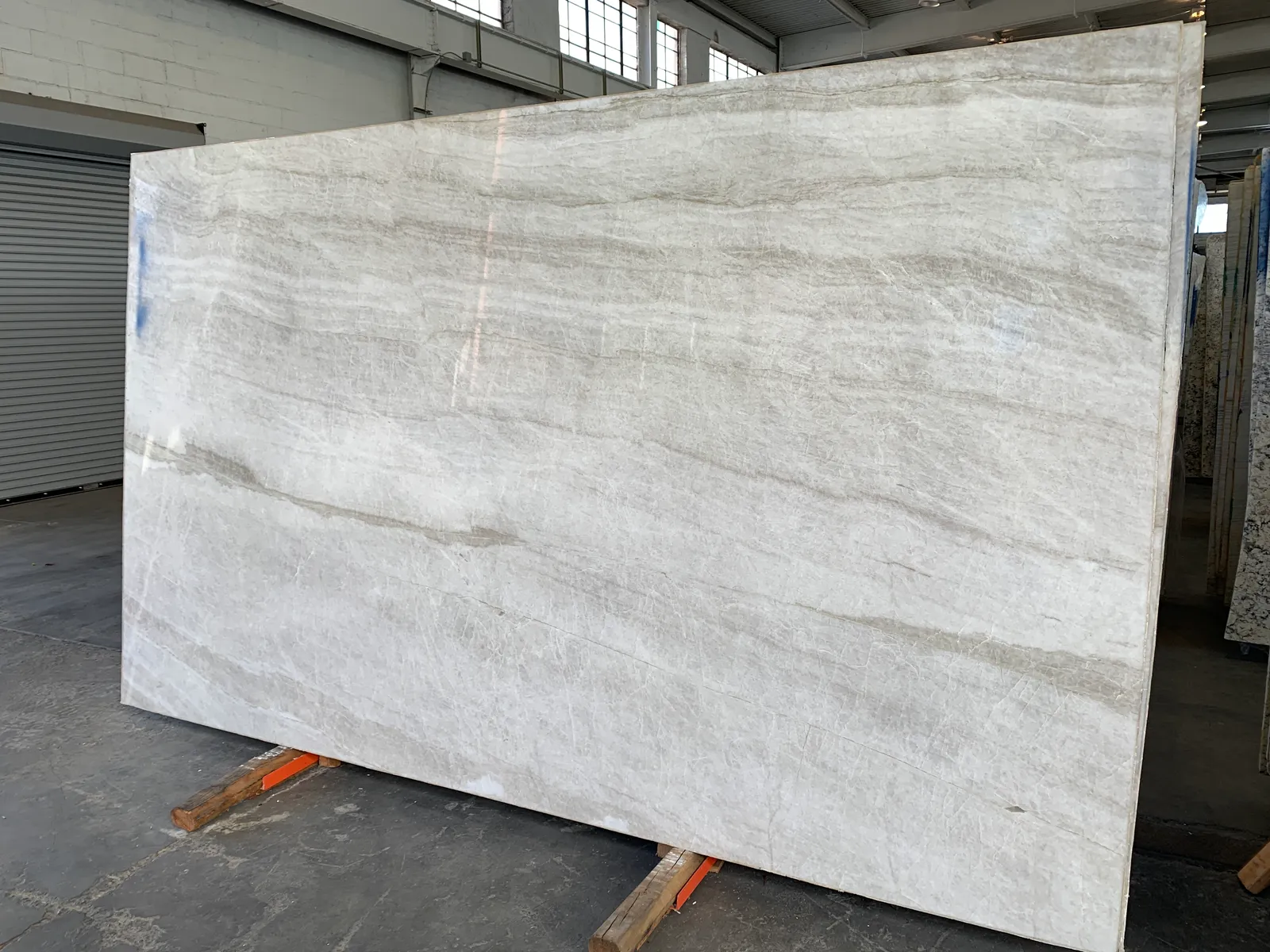
Why Quartzite Needs Its Own Cleaning Routine
Granite Global explains that quartzite is a natural metamorphic stone formed when sandstone was heated and compressed until its quartz grains fused. That makes it very hard and heat tolerant, but it is still porous, so the wrong cleaner can strip its sealer, dull a polished finish or leave room for oil and colored liquids to soak in.
Quartzite is a natural stone made mostly of fused quartz grains, quarried in blocks and cut into slabs. It is different from quartz countertops, which are engineered from crushed quartz and resin.
| Material | Etches from acids? | Needs sealing? | Daily cleaner |
|---|---|---|---|
| Quartzite | Usually no; some calcite-rich stones can | Usually yes | Mild soap or pH-neutral stone cleaner |
| Granite | Rarely | Often, depends on porosity | Mild soap or pH-neutral stone cleaner |
| Marble and dolomite | Yes | Yes | pH-neutral stone cleaner only |
| Quartz (engineered) | No | No | Mild soap; avoid harsh solvents |
If you are still deciding on a stone, browse our quartzite slabs in Charlotte and note the names you like for your visit.
How to Clean Quartzite Countertops Every Day
Granite Global recommends the simplest routine for quartzite: wipe crumbs away, wash with warm water and a few drops of mild dish soap or a pH-neutral stone cleaner, rinse with a clean damp cloth and dry with a soft microfiber towel. Drying prevents water spots and mineral marks, especially on polished and dark quartzite.
Clear the surface
Brush away crumbs so they do not scratch or grind while you wipe.
Wash gently
Use warm water with a few drops of mild dish soap or a pH-neutral stone cleaner.
Rinse
Wipe again with a cloth dampened in clean water to remove soap film.
Dry and buff
Dry with a soft microfiber towel to prevent streaks and water spots.
Around the sink, where hard water collects, drying the stone after each use is the habit that makes the biggest difference over time.
Cleaners and Tools to Avoid on Quartzite
Granite Global advises keeping acidic, alkaline and abrasive products away from quartzite. Vinegar and lemon can etch calcite-rich stones, bleach and ammonia wear down the sealer over time, and scouring powders or rough pads can dull a polished or honed finish. When in doubt, use a cleaner labeled safe for natural stone.
| Use | Avoid | Why |
|---|---|---|
| Mild dish soap and warm water | Vinegar, lemon and citrus cleaners | Acids can etch stones that contain calcite |
| pH-neutral stone cleaner | Bleach and ammonia | Harsh chemicals wear down the sealer |
| Soft microfiber cloths | Scouring powders and steel wool | Abrasives can dull the finish |
| Isopropyl alcohol diluted in water to disinfect | Generic degreasers and oven cleaners | Strong alkalis can affect sealer and finish |
Many all-purpose sprays contain vinegar or citric acid, so read the label before using one on your countertop.
True Quartzite vs Stones That Behave Like Marble
Granite Global tells customers that not every stone sold as quartzite behaves the same. True quartzite resists etching, while some stones with marble-like patterns contain calcite or dolomite and can show dull marks from acids. Knowing which kind you have tells you how careful to be with lemon, wine, tomato sauce and vinegar-based cleaners.
True quartzite
Very hard, scratches glass, and acids do not usually leave dull marks on the surface.
Calcite-rich stone
Softer, may etch from acids, and needs the same gentle care as marble or dolomite.
Our guide to real vs fake quartzite explains the simple tests fabricators use, and marble countertop etching shows how to prevent and repair dull marks.
How to Handle Stains and Dull Spots on Quartzite
Granite Global suggests treating quartzite stains by type. Fresh spills usually lift with soap and water, set-in oil or colored stains often need a poultice that draws them out, and hard-water marks lift with a stone-safe cleaner and drying. Dull spots from etching on calcite-rich stones may need polishing by a stone professional.
- Fresh spills
- Blot, do not wipe, then wash with mild soap and water and dry.
- Oil and grease
- Use a poultice made for oil stains, left covered for the time on the label.
- Wine, coffee and tea
- Use a poultice made for organic stains, then rinse and dry.
- Hard-water marks
- Use a pH-neutral stone cleaner and dry the area after each use.
- Dull etch marks
- Ask a stone restoration professional about polishing the area.
Our full guide shows how to remove stains from natural stone countertops with the poultice method step by step.
Sealing Quartzite to Make Cleaning Easier
Granite Global recommends sealing most quartzite with a penetrating sealer, because even hard stone has pores that can take in oil and colored liquids. Sealing does not change daily cleaning, but it slows absorption and makes spills easier to wipe up. A water test every few months shows when the sealer needs to be refreshed.
The same method works on quartzite as on granite; follow our guide on how to seal granite countertops and how often for the full steps.
Cleaning Polished, Honed and Leathered Quartzite
Granite Global points out that the finish changes how quartzite shows dirt more than how you clean it. Polished quartzite wipes clean fastest but shows streaks and water spots, honed quartzite hides streaks but can show oil marks, and leathered quartzite hides fingerprints but collects crumbs and residue in its texture.
| Finish | What it shows most | Cleaning tip |
|---|---|---|
| Polished | Streaks, water spots, fingerprints | Dry and buff with microfiber after washing |
| Honed | Oil marks and darker wet spots | Blot oily spills fast and keep the sealer fresh |
| Leathered | Crumbs and soap residue in the texture | Use a soft brush or cloth and rinse well |
The same daily routine works for all three finishes; only the drying and rinsing habits change.
Common Quartzite Cleaning Mistakes and a Care Checklist
Granite Global sees the same quartzite cleaning mistakes repeat: using vinegar sprays, scrubbing with abrasive pads, leaving water to dry around the sink and assuming quartzite never needs sealing. A short weekly checklist avoids all of them and keeps the countertop looking like the slab you chose when you first saw it.
- Wipe daily with warm water and mild soap, then dry
- Use only cleaners labeled safe for natural stone
- Blot spills right away, especially oil, wine and coffee
- Use trivets for very hot pans and cutting boards for knives
- Keep vinegar, lemon, bleach and abrasive pads off the stone
- Do the water test every few months and reseal when needed
Want to see quartzite finishes before you choose? Visit our Charlotte slab yard and compare polished, honed and leathered slabs in person.
Questions About Cleaning Quartzite
What is the best daily cleaner for quartzite?
Warm water with a few drops of mild dish soap works well for most quartzite countertops, and a pH-neutral cleaner labeled safe for natural stone is a good choice for a deeper clean. Granite Global suggests finishing with a dry microfiber cloth, which prevents streaks and water spots on polished stone.
Can I use vinegar on quartzite?
It is best not to. True quartzite usually resists acids, but some stones sold as quartzite contain calcite and can etch, and vinegar also wears down the sealer over time. Granite Global recommends keeping vinegar, lemon and citrus cleaners off any natural stone countertop and using a pH-neutral cleaner instead.
Can I use disinfecting wipes on quartzite?
Many disinfecting wipes contain bleach, citric acid or other harsh ingredients that can wear down sealer with regular use. For disinfecting, a mix of isopropyl alcohol and water is a gentler option on sealed stone. Granite Global suggests checking the product label and rinsing the surface with clean water afterward.
Does quartzite stain easily?
Sealed quartzite resists most everyday spills, but it is still natural stone with pores, so oil and colored liquids left for hours can leave marks. Lighter quartzites show stains more easily. Granite Global recommends blotting spills quickly and doing a water test every few months to know when to reseal.
Why does my quartzite have dull spots?
Dull spots usually come from etching, which happens when acids react with calcite in some stones sold as quartzite, or from hard-water residue near the sink. Residue often lifts with a stone-safe cleaner. Granite Global suggests asking a stone restoration professional about etch marks, since polishing them is specialist work.
Is quartzite easier to clean than marble?
Generally, yes. True quartzite is harder than marble and usually does not etch from everyday acids, so it forgives more in a busy kitchen. Both need gentle cleaners and sealing. Granite Global suggests comparing quartzite and marble slabs side by side in our warehouse to see the difference in person.
See Quartzite Slabs in Person
Shortlist quartzite online, then walk into our Charlotte warehouse to see the actual slabs and finishes before you choose, no appointment needed.